Type 1 Diabetes: Causes, Diagnosis, and Treatment
Type 1 diabetes is a lifelong condition in which the body makes little or no insulin. It is less common than type 2 diabetes, but it requires daily attention and careful management. This guide explains what causes type 1 diabetes, how it is diagnosed, how it is treated, and what daily life with type 1 looks like for children and adults. It is general information only, so work with your own diabetes care team on decisions about your care.
What happens in type 1 diabetes
Insulin is a hormone made by beta cells in the pancreas. It allows glucose (sugar) from food to move from the blood into the body's cells, where it is used for energy. In type 1 diabetes, the immune system mistakenly attacks and destroys these beta cells. The CDC explains that type 1 diabetes is thought to be caused by an autoimmune reaction that stops the body from making insulin. Without insulin, glucose builds up in the blood while the cells are starved of fuel.
According to NIDDK, people with type 1 diabetes need to take insulin every day to survive. Type 1 is not caused by eating too much sugar, and it is not caused by anything a person or a parent did.
How common is it?
The CDC reports that type 1 diabetes accounts for about 5% to 10% of diagnosed diabetes cases in the United States. Type 1 is often diagnosed in children, teens, and young adults, but it can develop at any age, including later adulthood.
Causes and risk factors
Researchers do not fully understand why the immune system attacks beta cells. Current understanding points to a mix of factors:
- Genes: Certain genes increase the risk. Having a parent or sibling with type 1 diabetes raises a person's chance of developing it, although most people diagnosed do not have a close relative with the condition.
- Environmental triggers: Scientists are studying whether factors such as certain viral infections may help trigger the autoimmune process in people who are genetically at risk.
- Autoantibodies: Before symptoms appear, many people have antibodies in their blood that signal the immune attack has started. These can be detected with blood tests, which is the basis of screening research programs.
The CDC notes there is currently no known way to prevent type 1 diabetes. However, the CDC also says that if found early, type 1 can be treated to avoid or delay symptoms and serious complications. Ask your health care provider whether screening for autoantibodies makes sense if type 1 runs in your family.
Stages of type 1 diabetes
Type 1 diabetes develops in stages. In early stages, autoantibodies are present and blood sugar may still be normal or only slightly abnormal, and there are no symptoms. In the later stage, enough beta cells are lost that blood sugar rises and symptoms appear. This is why the CDC describes type 1 as having no symptoms early on, with symptoms that can appear suddenly, over just weeks or months, once it progresses.
Signs and symptoms
The CDC's symptom page lists common symptoms including:
- Frequent urination
- Increased thirst and hunger
- Losing weight without trying
- Fatigue
- Blurry vision
- Irritability or mood changes
People with type 1 may also have nausea, vomiting, and stomach pain, which can be signs of diabetic ketoacidosis (DKA). In children, the CDC notes that unexplained bed-wetting or new toilet accidents can be a sign. Learn more in our early signs and symptoms guide and our article on hyperglycemia and DKA.
How type 1 diabetes is diagnosed
Diagnosis involves blood tests showing high blood glucose, such as a random plasma glucose test, fasting glucose test, or A1C test. Because type 1 and type 2 can look similar, especially in adults, a health care provider may order autoantibody tests to confirm type 1. A C-peptide test, which reflects how much insulin the body is still making, may also be used. Getting the type right matters because treatment differs.
Treatment: insulin is essential
Because the body no longer makes enough insulin, it must be replaced. Insulin can be delivered in several ways:
- Multiple daily injections using insulin pens or syringes, usually combining long-acting (basal) insulin with rapid-acting (mealtime or bolus) insulin.
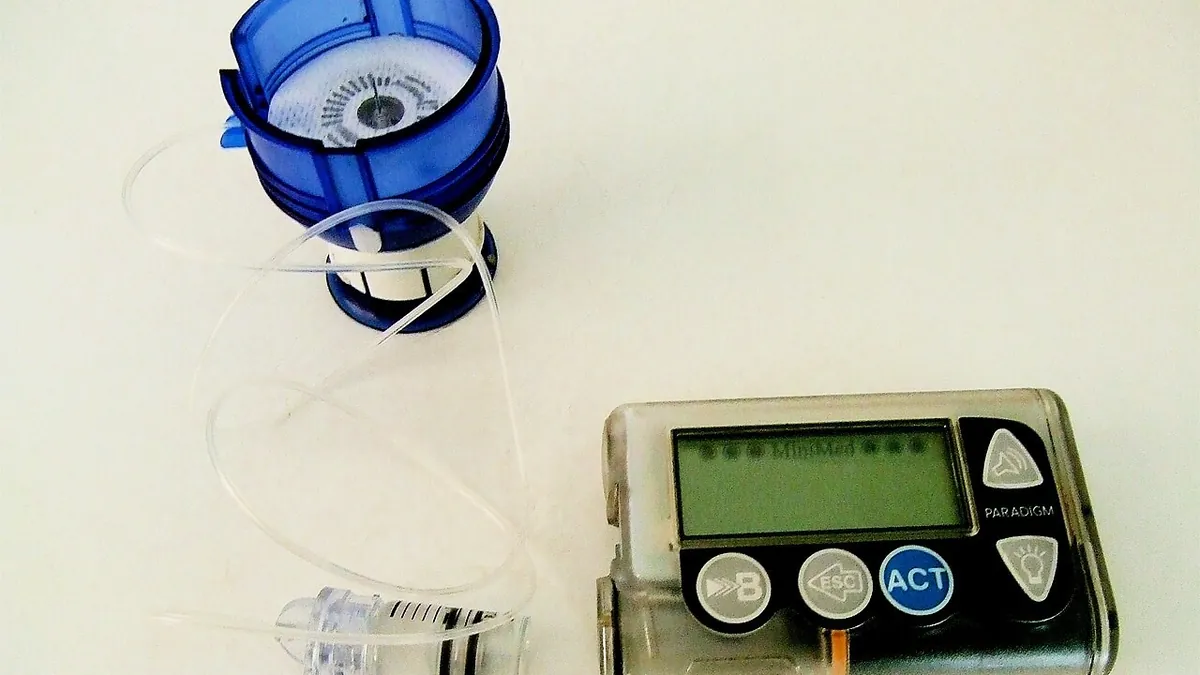
- Insulin pumps, small devices that deliver rapid-acting insulin continuously through a thin tube or a patch-style pod.
- Automated insulin delivery systems (sometimes called hybrid closed-loop systems), which connect a pump to a continuous glucose monitor and adjust insulin automatically based on glucose readings, while the user still gives mealtime doses.
Our insulin basics guide explains the types of insulin and how they work. The American Diabetes Association also offers an overview.
Monitoring blood glucose
People with type 1 diabetes check glucose often, either with a fingerstick meter or a continuous glucose monitor (CGM). Frequent data helps with dosing insulin, preventing lows, and spotting patterns. See checking blood sugar and CGMs and A1C and blood sugar targets.
Food and carbohydrate counting
There is no special diet required for type 1 diabetes, but people who use mealtime insulin often learn to count carbohydrates so they can match insulin doses to the carbs they eat. Healthy eating patterns that emphasize vegetables, whole foods, and fewer added sugars support overall health. See carb counting and diabetes-friendly eating basics.
Physical activity
Activity is healthy and encouraged, but it can lower blood glucose during and after exercise. People with type 1 often learn to adjust insulin or eat extra carbohydrates around activity and to check glucose more often. See exercise and diabetes.
Short-term risks: lows and DKA
Two short-term problems are important to understand:
- Hypoglycemia (low blood sugar): Taking more insulin than needed, skipping meals, or extra activity can cause glucose to drop below 70 mg/dL. Everyone using insulin should know how to recognize and treat lows. See our hypoglycemia guide.
- Diabetic ketoacidosis (DKA): Without enough insulin, the body breaks down fat and produces ketones, which can make the blood acidic. DKA is a medical emergency and can occur at diagnosis, during illness, or if insulin delivery is interrupted, such as a pump failure.
Having a plan for sick days is especially important with type 1 diabetes.
Long-term health
Over time, high blood glucose can damage blood vessels and nerves. NIDDK notes that diabetes can lead to problems with the heart, eyes, kidneys, nerves, and feet. Keeping glucose, blood pressure, and cholesterol in target ranges, not smoking, and getting regular screenings greatly lower these risks. Recommended checks include yearly dilated eye exams, kidney tests, foot exams, and blood pressure and cholesterol checks. See our guides on eye health, kidney health, heart health, and foot care.
Type 1 diabetes in children and teens
Managing type 1 in a child involves the whole family and often the school. Children may need help with insulin, glucose checks, and treating lows at school. Many families work with a school nurse to create a written diabetes care plan. As children grow, puberty, growth spurts, and changing activity levels can change insulin needs. Teens gradually take on more of their own care, which can be challenging and benefits from support.
Emotional health
Living with a condition that requires constant attention can be tiring. Feelings of stress, frustration, or "diabetes distress" are common. Talking with your care team, a mental health professional, or other people living with type 1 can help. Diabetes self-management education and support (DSMES) programs teach skills and offer support.
Research and the future
Research continues on ways to delay type 1 in people at high risk, protect remaining beta cells, improve insulin delivery technology, and replace beta cells. Ask your provider about clinical trials if you are interested.
Key takeaways
- Type 1 diabetes is an autoimmune condition in which the body makes little or no insulin.
- It accounts for about 5% to 10% of diagnosed diabetes cases in the U.S. and can begin at any age.
- People with type 1 need insulin every day, delivered by injections or a pump.
- Monitoring, carb awareness, activity planning, and knowing how to handle lows and DKA are core skills.
- Regular checkups help prevent long-term complications.
Sources
Links to the sources cited above appear in the text. We rely on the Centers for Disease Control and Prevention (CDC), the National Institute of Diabetes and Digestive and Kidney Diseases (NIDDK), and the American Diabetes Association (ADA).
Related guides: Diabetes basics
- What Is Diabetes? Type 1 vs. Type 2 Explained
- Type 2 Diabetes: A Complete Overview
- Gestational Diabetes: What to Know During and After Pregnancy
- Prediabetes: What It Is and How to Reverse Course
- Early Signs and Symptoms of Diabetes
- Diabetes Symptoms in Women: Signs to Know
- Diabetes in Children and Teens: A Guide for Families
- Diabetes Myths vs. Facts
- LADA (Type 1.5 Diabetes): Autoimmune Diabetes in Adults
- MODY and Rare Types of Diabetes
- Insulin Resistance: Causes, Signs, and How to Improve It