LADA (Type 1.5 Diabetes): Autoimmune Diabetes in Adults
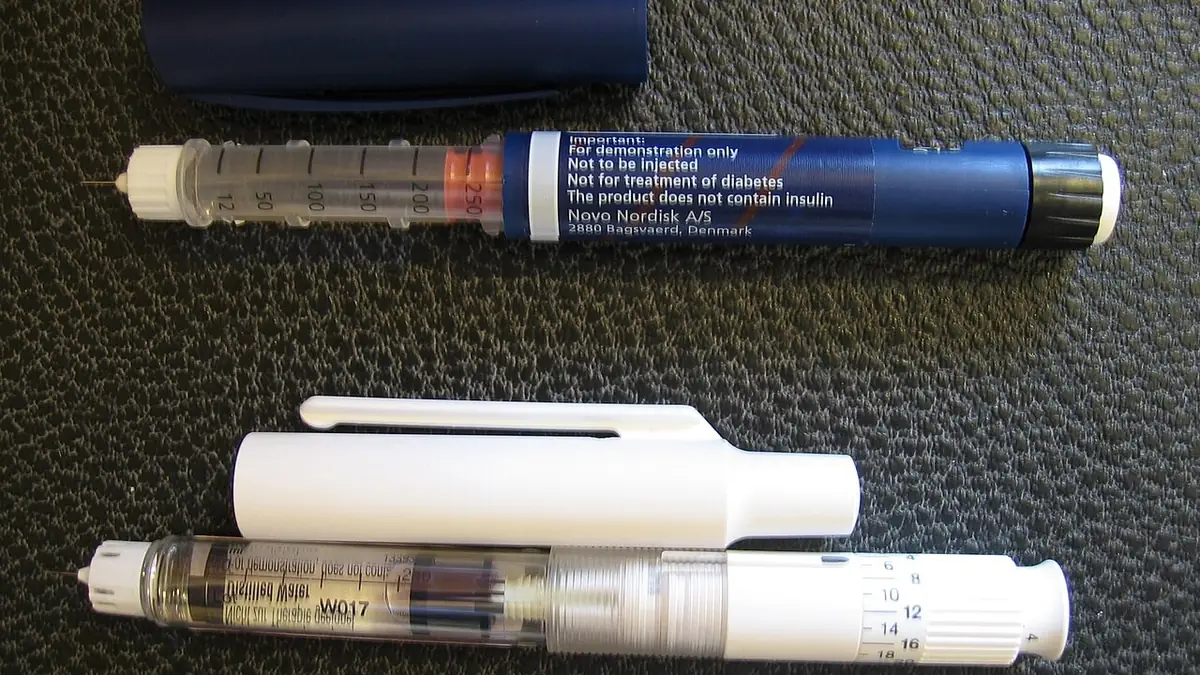
Latent autoimmune diabetes in adults, usually called LADA and sometimes nicknamed "type 1.5 diabetes," is a form of autoimmune diabetes that develops in adulthood and progresses more slowly than classic type 1 diabetes. Because people with LADA are adults and often do not need insulin right away, LADA is frequently mistaken for type 2 diabetes at first. Getting the diagnosis right matters, because treatment needs can change over time. This guide explains what LADA is, how it differs from type 1 and type 2 diabetes, how it is diagnosed, and how it is treated. It is general information, so talk with your health care team about your own situation.
What is LADA?
LADA is generally considered a slowly progressing form of type 1 diabetes. As in type 1 diabetes, the immune system attacks the insulin-producing beta cells of the pancreas. In LADA, this attack tends to happen more gradually, so the pancreas may keep making some insulin for months or years after diagnosis. NIDDK's type 1 diabetes page notes that type 1 diabetes can occur at any age, and LADA is one way it shows up in adults.
Experts do not all agree on exact definitions. Some consider LADA a subtype of type 1 diabetes, and the American Diabetes Association's Standards of Care classify autoimmune diabetes in adults, including slowly progressing forms, under type 1 diabetes. The term "type 1.5" is informal and is not an official diagnosis.
How LADA differs from type 1 and type 2 diabetes
Compared with classic type 1 diabetes
- LADA is diagnosed in adults, often after age 30, while classic type 1 is often diagnosed in children and young adults (though it can occur at any age).
- In LADA, the loss of insulin production is usually slower, so many people do not need insulin at diagnosis.
- Symptoms may come on more gradually, and diabetic ketoacidosis (DKA) at diagnosis is less common than in classic type 1.
- Both involve autoantibodies that signal an immune attack on beta cells.
Compared with type 2 diabetes
- LADA is autoimmune; type 2 diabetes is driven mainly by insulin resistance and gradual decline in insulin production.
- People with LADA are more likely to be at a lower body weight and to lack other features of insulin resistance, though LADA can occur in people with overweight too.
- People with LADA typically lose insulin production faster than people with type 2 diabetes and often need insulin sooner.
- Pills that work well for many people with type 2 diabetes may stop working relatively quickly in LADA.
See our guides on type 1 diabetes and type 2 diabetes.
Symptoms
Symptoms are the same as for other types of high blood glucose and may develop slowly:
- Increased thirst and frequent urination
- Unexplained weight loss
- Fatigue
- Blurry vision
- Frequent infections or slow healing
The CDC's symptoms page describes these common signs. See also our early signs and symptoms guide.
Clues that diabetes might be LADA
A health care provider may consider LADA if an adult with a new diabetes diagnosis:
- Does not have overweight or has few features of insulin resistance
- Has a personal or family history of autoimmune conditions, such as thyroid disease, celiac disease, or type 1 diabetes
- Has blood glucose that rises quickly despite pills or lifestyle changes
- Loses weight without trying
- Needs insulin within months to a few years after diagnosis
None of these alone confirms LADA. They are reasons to consider testing.
How LADA is diagnosed
Diabetes itself is diagnosed with standard blood tests such as the A1C, fasting glucose, or oral glucose tolerance test. See A1C and blood sugar targets. To determine whether diabetes is autoimmune, a provider may order:
- Autoantibody tests: Blood tests for antibodies against parts of the beta cell, such as GAD antibodies (the most common in LADA), islet antigen-2 (IA-2), zinc transporter 8 (ZnT8), or insulin autoantibodies. A positive result points to autoimmune diabetes.
- C-peptide test: C-peptide is released along with insulin, so its level reflects how much insulin your body still makes. Lower levels suggest reduced insulin production.
If you were diagnosed with type 2 diabetes but your glucose is hard to manage despite treatment, it is reasonable to ask your provider whether autoantibody testing makes sense.
Why the right diagnosis matters
- Treatment choices: Some medicines used in type 2 diabetes may be less effective in LADA, and certain medicines that increase insulin release may not be ideal.
- Timing of insulin: People with LADA often need insulin sooner. Recognizing LADA helps avoid long periods of high glucose.
- DKA risk: As insulin production declines, the risk of DKA increases. Knowing your type helps you and your team watch for warning signs. See hyperglycemia and DKA.
- Screening for related conditions: People with autoimmune diabetes may be screened for other autoimmune conditions, such as thyroid disease.
Treatment
Treatment depends on how much insulin your body still makes and on your glucose levels.
Insulin
Many people with LADA eventually need insulin, and some providers start insulin early. Insulin can be given by injections or an insulin pump. See insulin basics.
Other medicines
In early LADA, when insulin production is still substantial, some people may use other diabetes medicines for a time. Your provider will choose based on your situation and monitor closely. See metformin and common diabetes medications.
Monitoring
Regular glucose checks or a continuous glucose monitor help track changes. Rising glucose despite treatment may signal declining insulin production. See checking blood sugar and CGMs.
Healthy habits
Healthy eating, regular physical activity, adequate sleep, and stress management help everyone with diabetes. See diabetes-friendly eating basics and exercise and diabetes.
Preventing complications
As with all types of diabetes, keeping glucose, blood pressure, and cholesterol in target ranges and getting regular eye, kidney, and foot checks lowers the risk of complications.
Living with LADA
A diagnosis change, for example from type 2 to LADA, can be confusing or upsetting. Some people feel frustrated that it took time to get the right diagnosis. Others feel relief at finally understanding why treatment wasn't working. Diabetes self-management education and support (DSMES) can help you learn new skills such as insulin dosing and carb counting. See carb counting.
Frequently asked questions
Is LADA the same as type 1 diabetes?
LADA is generally considered a slower-progressing form of autoimmune (type 1) diabetes that begins in adulthood. The informal name "type 1.5" reflects that it shares features of both type 1 and type 2 diabetes.
Can lifestyle changes prevent LADA?
There is currently no proven way to prevent autoimmune diabetes. Healthy habits still matter for overall health and glucose management.
Will I definitely need insulin?
Most people with LADA eventually need insulin, but the timing varies widely. Your care team will monitor your glucose and insulin production.
Should my family be tested?
Ask your provider. Relatives of people with autoimmune diabetes have a higher risk of type 1 diabetes, and screening programs for autoantibodies exist.
Where can I find more reliable information?
Trusted sources include the CDC, NIDDK, MedlinePlus, and the American Diabetes Association. Be cautious with social media posts or products that promise quick fixes, and check new information with your care team before making changes.
Key takeaways
- LADA is autoimmune diabetes that develops in adults and progresses more slowly than classic type 1 diabetes.
- It is often first misdiagnosed as type 2 diabetes.
- Autoantibody and C-peptide tests help confirm the diagnosis.
- Many people with LADA need insulin sooner than people with type 2 diabetes.
- Ask your provider about testing if your diabetes doesn't fit a typical type 2 pattern.
Sources
Links to the sources cited above appear in the text. We rely on the Centers for Disease Control and Prevention (CDC), the National Institute of Diabetes and Digestive and Kidney Diseases (NIDDK), and the American Diabetes Association (ADA).
Related guides: Diabetes basics
- What Is Diabetes? Type 1 vs. Type 2 Explained
- Type 1 Diabetes: Causes, Diagnosis, and Treatment
- Type 2 Diabetes: A Complete Overview
- Gestational Diabetes: What to Know During and After Pregnancy
- Prediabetes: What It Is and How to Reverse Course
- Early Signs and Symptoms of Diabetes
- Diabetes Symptoms in Women: Signs to Know
- Diabetes in Children and Teens: A Guide for Families
- Diabetes Myths vs. Facts
- MODY and Rare Types of Diabetes
- Insulin Resistance: Causes, Signs, and How to Improve It