Metformin and Common Diabetes Medications
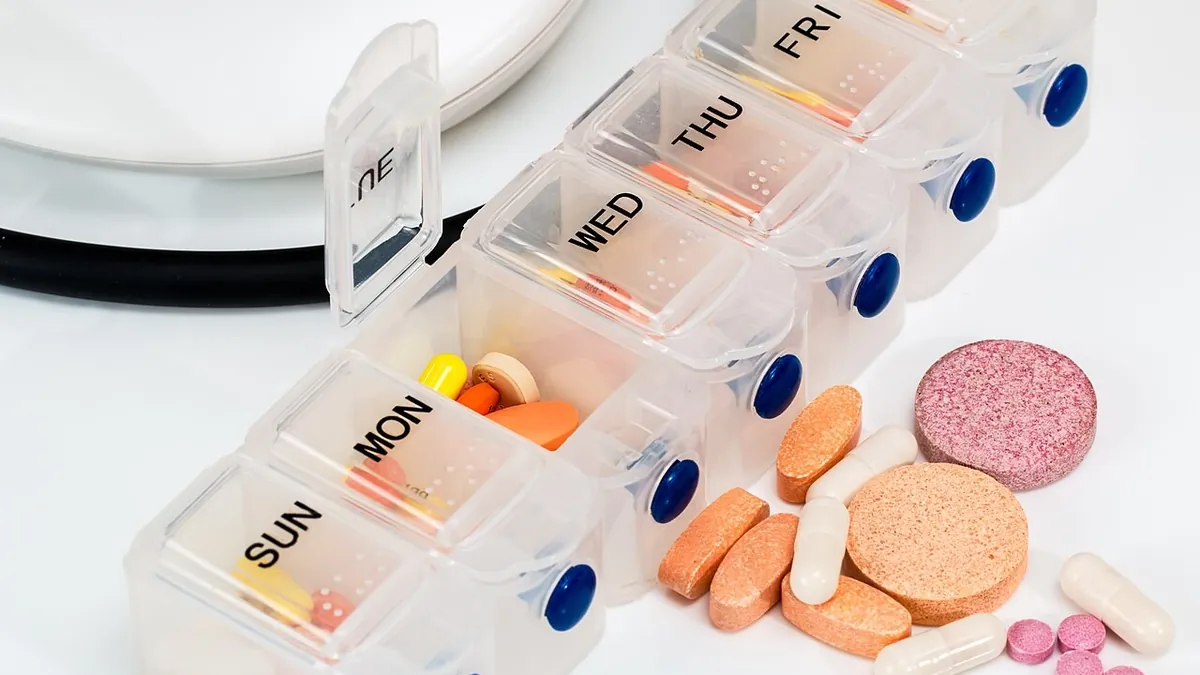
Many people with diabetes take one or more medicines to help manage blood glucose and protect the heart and kidneys. The number of options has grown a lot over the years, which is good news but can also be confusing. This guide gives a plain-language overview of metformin and other common diabetes medicine classes, how they work, common side effects, and questions to ask your provider. It does not replace personalized advice from your health care team or pharmacist, and you should never start, stop, or change a medicine on your own.
Why medicines are used
People with type 1 diabetes need insulin. People with type 2 diabetes often start with lifestyle changes, and many also need medicine, either at diagnosis or later. According to NIDDK, the type of medicine depends on your type of diabetes, your daily schedule, medicine costs, and other health conditions. The American Diabetes Association's Standards of Care emphasize choosing medicines based on each person's goals, including heart and kidney protection, weight, risk of low blood sugar, side effects, and cost.
Metformin
Metformin is one of the most widely used medicines for type 2 diabetes and is often the first medicine prescribed. It is a pill.
How it works: According to MedlinePlus, metformin helps control blood glucose by decreasing the amount of glucose absorbed from food and the amount made by the liver, and by increasing the body's response to insulin.
Benefits: It lowers A1C, generally does not cause low blood sugar when used alone, does not cause weight gain, and is inexpensive.
Common side effects: Stomach upset, diarrhea, nausea, gas, and a metallic taste are common, especially when starting. Taking it with meals, starting with a low dose, and using extended-release forms can help.
Other considerations: Long-term use may lower vitamin B12 levels, so providers may check B12 periodically. A rare but serious side effect is lactic acidosis; the risk is higher in people with severe kidney problems, and providers check kidney function before and during treatment. Metformin may need to be paused around certain imaging tests with contrast dye or surgery; follow your provider's instructions.
GLP-1 receptor agonists
These medicines mimic a natural gut hormone called GLP-1. Most are injected (daily or weekly), and one is available as a pill.
How they work: They help the pancreas release insulin when glucose is high, reduce the release of glucagon, slow stomach emptying, and reduce appetite.
Benefits: They lower A1C, often lead to weight loss, and have a low risk of hypoglycemia on their own. Some have shown benefits for heart outcomes in people with existing heart disease.
Common side effects: Nausea, vomiting, diarrhea, constipation, and reduced appetite, which often improve over time. Providers usually increase the dose gradually.
Other considerations: These medicines are not recommended for people with a personal or family history of certain thyroid cancers (medullary thyroid carcinoma) or multiple endocrine neoplasia type 2. Tell your provider about any history of pancreatitis.
Dual GIP/GLP-1 receptor agonists
A newer type of medicine acts on two gut hormone receptors (GIP and GLP-1). It is a weekly injection that lowers A1C and promotes weight loss. Side effects are similar to GLP-1 receptor agonists, mainly digestive symptoms.
SGLT2 inhibitors
These are pills that work in the kidneys.
How they work: They block a protein in the kidneys that reabsorbs glucose, so more glucose leaves the body in the urine.
Benefits: They lower A1C modestly, can cause some weight loss, and have a low risk of hypoglycemia alone. Some have shown benefits for heart failure and chronic kidney disease in certain people. See kidney health and heart health.
Side effects: Genital yeast infections, urinary tract infections, increased urination, and dehydration. A rare but serious risk is diabetic ketoacidosis, which can occur even when glucose is not very high. Your provider may advise pausing the medicine during acute illness or before surgery. See managing diabetes when sick.
DPP-4 inhibitors
These pills help the body's own GLP-1 hormone last longer.
Benefits: They lower A1C modestly, are usually well tolerated, are weight-neutral, and have a low risk of hypoglycemia alone.
Side effects: Generally mild; may include stuffy nose, sore throat, and headache. Rarely, joint pain or pancreatitis has been reported.
Sulfonylureas
These are older pills that stimulate the pancreas to release more insulin.
Benefits: They lower A1C effectively and are inexpensive.
Side effects: They can cause low blood sugar, especially with skipped meals, and can cause weight gain. Older adults and people with kidney problems may be at higher risk of lows. See our hypoglycemia guide.
Thiazolidinediones (TZDs)
These pills make the body more sensitive to insulin.
Benefits: They lower A1C and have a low risk of hypoglycemia alone.
Side effects: Weight gain, fluid retention, and an increased risk of bone fractures. They are not recommended for people with certain types of heart failure.
Other pills
Other classes include meglitinides (which stimulate insulin release and can cause lows), alpha-glucosidase inhibitors (which slow carbohydrate digestion and commonly cause gas), and bile acid sequestrants and dopamine-2 agonists, which are used less often.
Insulin
Insulin is the most powerful glucose-lowering medicine and is needed by everyone with type 1 diabetes and by many with type 2. See insulin basics.
Combination medicines
Some pills combine two medicines, such as metformin with a DPP-4 or SGLT2 inhibitor, to reduce the number of pills. Some injectables combine a long-acting insulin with a GLP-1 receptor agonist.
Medicines for heart and kidney protection
People with diabetes often take other medicines too, such as blood pressure medicines (including ACE inhibitors or ARBs, which can protect the kidneys) and statins for cholesterol. These are an important part of preventing complications.
Tips for taking medicines safely
- Keep an up-to-date list of all your medicines, including over-the-counter products and supplements, and share it at every visit.
- Use one pharmacy when possible so the pharmacist can check for interactions.
- Learn whether each medicine can cause low blood sugar.
- Ask what to do if you miss a dose.
- Ask whether any medicine should be paused when you are sick or before surgery or imaging.
- Report side effects instead of quietly stopping a medicine; there is often an alternative.
- If cost is a problem, tell your provider or pharmacist. Lower-cost options or assistance programs may be available.
Questions to ask your provider
- What is this medicine for, and how will I know it is working?
- When and how should I take it?
- What side effects should I watch for?
- Can it cause low blood sugar?
- Does it affect my weight, heart, or kidneys?
- How will it interact with my other medicines?
MedlinePlus maintains a helpful overview of diabetes medicines, and the ADA has a guide to oral and injectable medications.
Key takeaways
- Metformin is often the first medicine for type 2 diabetes; common side effects are digestive.
- Newer classes such as GLP-1 receptor agonists and SGLT2 inhibitors may offer heart, kidney, or weight benefits for some people.
- Sulfonylureas and insulin can cause low blood sugar; know the signs and treatment.
- Medicine choices are personal; never start, stop, or change a medicine without talking with your provider.
Sources
Links to the sources cited above appear in the text. We rely on the Centers for Disease Control and Prevention (CDC), the National Institute of Diabetes and Digestive and Kidney Diseases (NIDDK), and the American Diabetes Association (ADA).
Related guides: Blood sugar and treatment
- A1C and Blood Sugar Targets: Understanding Your Numbers
- Checking Blood Sugar: Meters and Continuous Glucose Monitors
- Hypoglycemia (Low Blood Sugar): Signs, Treatment, and Prevention
- High Blood Sugar and Diabetic Ketoacidosis (DKA)
- Insulin Basics: Types, Delivery, and Safety
- Managing Diabetes When You're Sick
- How to Lower Your A1C: Proven Strategies
- The Dawn Phenomenon: Why Morning Blood Sugar Is High