Managing Diabetes When You're Sick
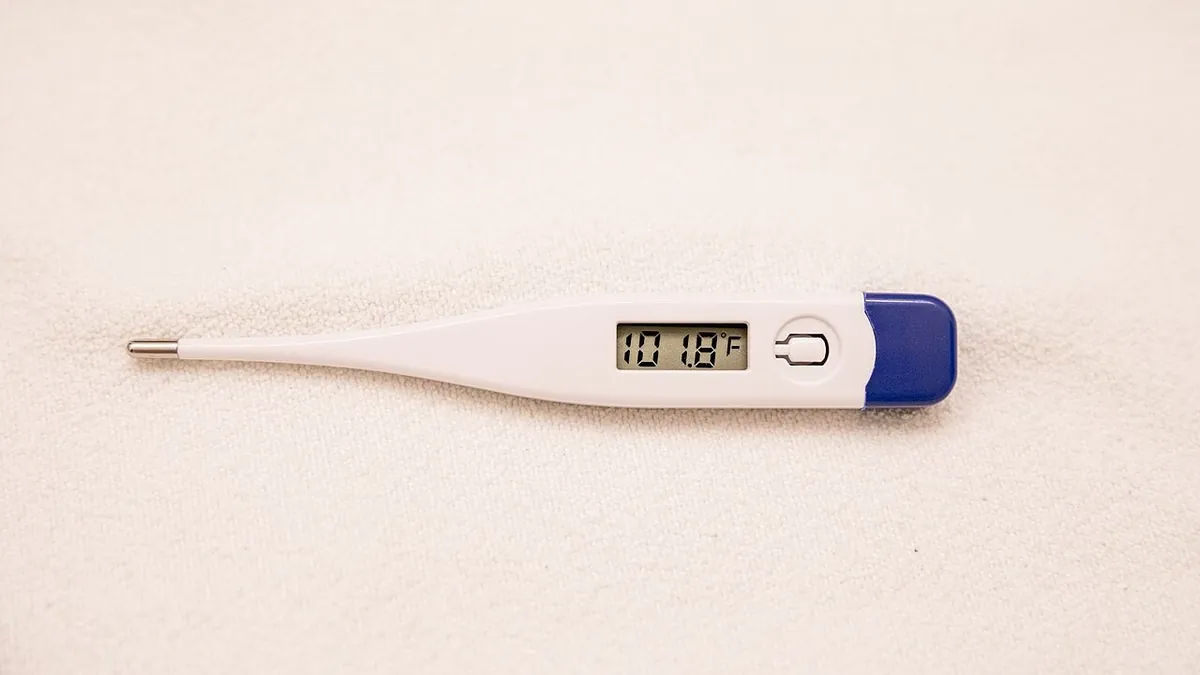
Being sick with a cold, flu, stomach bug, infection, or other illness can make diabetes harder to manage. Illness causes the body to release stress hormones that can raise blood glucose, and eating less or vomiting can lead to low blood glucose in people taking certain medicines. Illness also raises the risk of dangerous conditions such as diabetic ketoacidosis (DKA). This guide explains how to prepare a sick-day plan and what to do when you are ill. Always follow the specific plan from your health care team.
Why illness affects blood sugar
When you are sick, your body releases hormones such as cortisol and adrenaline to help fight the illness. These hormones raise blood glucose and make insulin work less effectively. At the same time, you may eat and drink less, vomit, or have diarrhea, which can cause dehydration and make glucose harder to predict. The American Diabetes Association recommends planning ahead so you know what to do before you get sick.
Make a sick-day plan before you need it
Work with your health care provider to create a written plan. It should include:
- How often to check your blood glucose and, if advised, ketones
- What to do about your diabetes medicines and insulin
- What to eat and drink if you cannot eat normally
- When to call your provider and when to seek emergency care
- Phone numbers for your care team and pharmacy
Keep the plan where you and your family can find it.
Build a sick-day kit
Stock these items ahead of time:
- Glucose meter, test strips, lancets, and extra batteries, or CGM supplies
- Ketone test strips or a blood ketone meter, if recommended (check expiration dates)
- Extra insulin and pen needles or syringes, and pump supplies if you use one
- Fast-acting glucose sources, such as glucose tablets or regular soda
- Easy-to-digest foods and drinks with carbohydrate, such as crackers, broth, gelatin (regular), applesauce, and juice
- Sugar-free fluids such as water, broth, and sugar-free drinks
- A thermometer
- Sugar-free cough drops or cough medicines, and fever reducers your provider says are safe
- Your sick-day plan and medicine list
What to do when you are sick
Keep taking insulin
If you use insulin, do not stop taking it, even if you are not eating, unless your provider tells you to. People with type 1 diabetes always need some insulin to prevent DKA. You may need more insulin than usual during illness, or a different dose if you are eating less. Follow your care team's instructions. See insulin basics.
Ask about other medicines
Some diabetes medicines may need to be paused or adjusted when you are sick, especially if you are vomiting, have diarrhea, or are dehydrated. Examples that providers commonly address in sick-day plans include metformin, SGLT2 inhibitors, and some blood pressure medicines such as ACE inhibitors, ARBs, and diuretics. Do not stop or change medicines on your own; your sick-day plan should specify what to do. See metformin and common diabetes medications.
Check your blood glucose more often
Many plans advise checking every 2 to 4 hours, or more often if glucose is changing quickly, and keeping a written record. Use your CGM if you have one, but confirm with a fingerstick if readings do not match how you feel. See checking blood sugar and CGMs.
Check ketones if advised
People with type 1 diabetes, and others whose provider recommends it, should check ketones when sick, especially when glucose is high, often above 240 mg/dL, or when vomiting. Moderate or large ketones are a warning sign of DKA. See hyperglycemia and DKA.
Drink plenty of fluids
Dehydration can raise blood glucose and harm the kidneys. Sip fluids often, such as a few sips every 15 minutes or so, or as your provider advises. If your glucose is high, choose sugar-free fluids such as water or broth. If your glucose is lower or you cannot eat, fluids with carbohydrate can help.
Try to eat carbohydrates
If you cannot eat your usual meals, try to get carbohydrate from easy-to-digest foods and drinks to keep glucose from dropping and to prevent ketones from forming. Your plan may set a target amount of carbohydrate every few hours. Examples include crackers, toast, soup, applesauce, regular gelatin, popsicles, or juice. See carb counting.
Watch for low blood sugar
If you take insulin or medicines that can cause lows, eating less can lead to hypoglycemia. Know the signs and treat lows promptly. See hypoglycemia.
Rest and track symptoms
Check your temperature and weight if possible, as rapid weight loss can signal dehydration. Write down your glucose, ketones, temperature, fluids, food, and medicines so you can share them with your provider.
Choosing over-the-counter medicines
Some cold and flu remedies contain sugar or ingredients that can affect blood glucose or blood pressure. Ask your pharmacist for sugar-free options and whether decongestants are safe for you. If you have kidney disease, ask before using NSAIDs such as ibuprofen. See kidney health.
When to call your provider
Call your health care provider if, for example:
- You have been sick or had a fever for a couple of days and are not getting better
- You are vomiting or have diarrhea for more than about 6 hours
- Your blood glucose stays above the level in your plan, often 240 mg/dL, despite following your plan
- You have moderate ketones
- You are having trouble keeping your glucose up, or have repeated lows
- You are unsure what to do about your medicines
Your sick-day plan may give different thresholds; follow it.
When to get emergency care
Call 911 or go to the emergency department if you have:
- Large ketones, or moderate ketones that are not going down
- Signs of DKA: nausea, vomiting, stomach pain, deep or rapid breathing, fruity-smelling breath
- Signs of severe dehydration, such as very dry mouth, dizziness, or very little urine
- Chest pain, trouble breathing, or confusion
- Extreme drowsiness or difficulty staying awake
- Severe low blood sugar that does not respond to treatment
Prevent illness when you can
Stay up to date on vaccines recommended by your provider for people with diabetes, which commonly include flu, COVID-19, pneumococcal, and hepatitis B vaccines, among others. Wash your hands often and manage your glucose to support your immune system.
Key takeaways
- Illness can raise blood glucose and increase the risk of DKA and dehydration.
- Make a written sick-day plan and a supply kit before you get sick.
- Keep taking insulin unless told otherwise, check glucose (and ketones if advised) often, drink fluids, and try to eat carbohydrates.
- Call your provider for persistent highs, ketones, or vomiting, and get emergency care for signs of DKA or severe dehydration.
Sources
Links to the sources cited above appear in the text. We rely on the Centers for Disease Control and Prevention (CDC), the National Institute of Diabetes and Digestive and Kidney Diseases (NIDDK), and the American Diabetes Association (ADA).
Related guides: Blood sugar and treatment
- A1C and Blood Sugar Targets: Understanding Your Numbers
- Checking Blood Sugar: Meters and Continuous Glucose Monitors
- Hypoglycemia (Low Blood Sugar): Signs, Treatment, and Prevention
- High Blood Sugar and Diabetic Ketoacidosis (DKA)
- Insulin Basics: Types, Delivery, and Safety
- Metformin and Common Diabetes Medications
- How to Lower Your A1C: Proven Strategies
- The Dawn Phenomenon: Why Morning Blood Sugar Is High