Fiber and Diabetes: Why It Helps and How to Get More
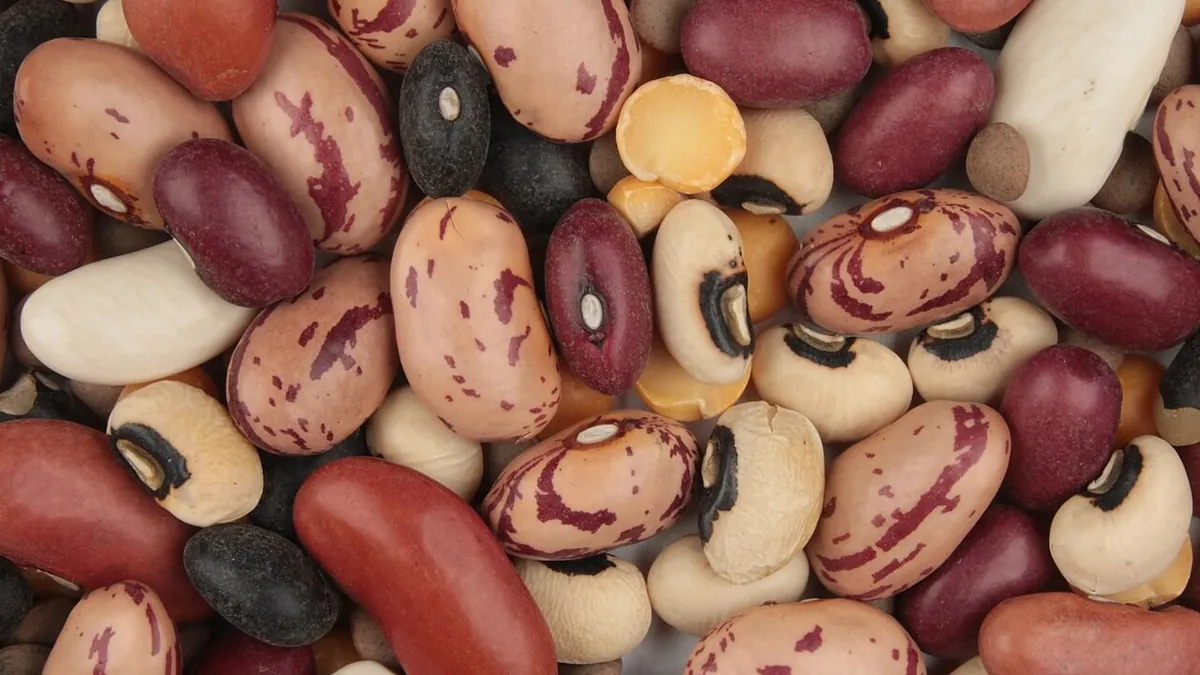
Fiber is one of the most helpful nutrients for people with diabetes, yet most people don't eat enough of it. Fiber can slow the rise in blood glucose after meals, help you feel full, support heart health, and keep your digestive system working well. This guide explains what fiber is, the different types, how it helps with diabetes, how much to aim for, and easy ways to eat more.
What is fiber?
Fiber is the part of plant foods that your body cannot digest or absorb. Unlike other carbohydrates, which are broken down into glucose, fiber passes through the digestive system relatively intact. MedlinePlus explains that dietary fiber is found mainly in fruits, vegetables, whole grains, and legumes.
Types of fiber
According to MedlinePlus, there are two main types of fiber, and most plant foods contain a mix of both:
Soluble fiber
Soluble fiber dissolves in water to form a gel-like material. It can help lower blood cholesterol and glucose levels. Sources include:
- Oats and oat bran
- Barley
- Beans, lentils, and peas
- Apples, citrus fruits, and berries
- Carrots
- Psyllium
- Chia seeds and flaxseed
Insoluble fiber
Insoluble fiber does not dissolve in water. It adds bulk to stool and helps food move through the digestive system, which can help prevent constipation. Sources include:
- Whole wheat flour and wheat bran
- Brown rice and other whole grains
- Nuts and seeds
- Vegetables such as cauliflower, green beans, and potatoes with skins
How fiber helps with diabetes
- Slower glucose rise: Soluble fiber slows digestion and the absorption of sugar, which can reduce spikes in blood glucose after meals. The CDC notes that eating carbs with foods that have fiber slows how quickly blood sugar rises.
- Fullness and weight management: High-fiber foods tend to be more filling and take longer to eat, which can help with appetite and weight. See weight and diabetes.
- Heart health: Soluble fiber can help lower LDL ("bad") cholesterol. Because diabetes raises the risk of heart disease, this matters. See heart health.
- Digestive health: Fiber helps prevent constipation and supports healthy gut bacteria.
- Lower glycemic impact: High-fiber, minimally processed foods tend to have a lower glycemic index. See the glycemic index explained.
The American Diabetes Association's Standards of Care encourage people with diabetes to choose nutrient-dense, high-fiber carbohydrate sources such as vegetables, fruits, legumes, whole grains, and dairy.
How much fiber do you need?
The Dietary Guidelines for Americans recommend about 14 grams of fiber for every 1,000 calories eaten. For many adults, that works out to roughly 25 to 34 grams per day, depending on age, sex, and calorie needs. Most Americans eat much less than this. People with diabetes are generally encouraged to meet at least the amount recommended for the general public.
Fiber and carb counting
Fiber is listed under Total Carbohydrate on the Nutrition Facts label. Because fiber isn't digested like other carbohydrates, some people who count carbs subtract part of the fiber from the total for high-fiber foods. Whether to do this, and how, depends on your plan, so ask your dietitian or diabetes educator. See carb counting and reading food labels.
Easy ways to eat more fiber
Start the day with fiber
- Choose oatmeal, bran cereal, or a whole-grain cereal with at least a few grams of fiber per serving.
- Add berries, chia seeds, or ground flaxseed to yogurt or oatmeal.
- Choose whole-grain toast instead of white bread.
Make half your grains whole
- Swap white rice for brown rice, barley, quinoa, or bulgur.
- Choose whole wheat pasta or try pasta made from beans or lentils.
- Look for "100% whole grain" or "100% whole wheat" as the first ingredient.
Eat more beans and lentils
Beans, lentils, chickpeas, and split peas are excellent sources of both fiber and protein. Add them to soups, salads, chili, and tacos, or use hummus as a dip.
Fill half your plate with vegetables
Nonstarchy vegetables add fiber with few carbohydrates and calories. Eat a variety, raw or cooked. See diabetes-friendly eating basics.
Choose whole fruit over juice
Whole fruit keeps its fiber; juice loses most of it. Eat the edible skins of fruits like apples and pears. See fruit and diabetes.
Snack smart
Nuts, seeds, popcorn, raw vegetables, and fruit are fiber-rich snack options. See best snacks for diabetes.
Add fiber gradually
Increasing fiber too quickly can cause gas, bloating, and cramps. Add fiber slowly over a few weeks to let your digestive system adjust, and drink plenty of water, since fiber works best with fluids.
Fiber supplements
Food is the best source of fiber because it also provides vitamins, minerals, and other beneficial nutrients. Some people use fiber supplements, such as psyllium, to help meet their needs or manage constipation. Talk with your provider before using supplements, as they can affect how some medicines are absorbed; it is often recommended to take medicines and fiber supplements at different times.
Special situations
- Gastroparesis: People with slow stomach emptying due to diabetic nerve damage may be advised to limit high-fiber foods. See diabetic neuropathy.
- Kidney disease: Some high-fiber foods are also high in potassium or phosphorus, which may need to be limited in advanced kidney disease. Ask your dietitian. See kidney health.
- Digestive conditions: People with certain bowel conditions may need individualized fiber advice.
Sample high-fiber day
- Breakfast: Oatmeal with raspberries and a tablespoon of chia seeds
- Lunch: Lentil soup with a side salad and a slice of whole-grain bread
- Snack: An apple with a small handful of almonds
- Dinner: Grilled fish, roasted broccoli and carrots, and a half cup of brown rice
- Snack: Vegetables with hummus
Frequently asked questions
Does fiber raise blood sugar?
Fiber itself is not digested into glucose the way starches and sugars are, so it has little direct effect on blood glucose, and soluble fiber can slow the rise from other carbohydrates.
Is a high-fiber diet safe if I take insulin?
Yes, but if you subtract fiber when counting carbs, follow the method your care team recommends so doses stay accurate.
What's an easy first step?
Swap one refined grain each day for a whole grain, and add a serving of beans a few times a week.
Are "high-fiber" processed products as good as whole foods?
Some packaged foods add isolated fibers. They can help, but whole foods offer more nutrients overall.
Which breakfast cereals are high in fiber?
Look for cereals with a whole grain as the first ingredient and several grams of fiber per serving, and compare added sugars on the label. Plain oats, bran cereals, and shredded wheat are common high-fiber options.
Can fiber help with constipation from diabetes medicines?
Fiber, along with plenty of water and physical activity, often helps with constipation. If constipation continues or is severe, talk with your provider, especially if you also have symptoms like bloating, nausea, or vomiting.
Where can I find more reliable information?
Trusted sources include the CDC, NIDDK, MedlinePlus, and the American Diabetes Association. Be cautious with social media posts or products that promise quick fixes, and check new information with your care team before making changes.
Key takeaways
- Fiber is the part of plant foods your body doesn't digest; soluble fiber can help lower glucose and cholesterol.
- Many adults need roughly 25 to 34 grams a day, but most eat much less.
- Beans, whole grains, vegetables, fruit, nuts, and seeds are great sources.
- Increase fiber gradually and drink plenty of water.
Sources
Links to the sources cited above appear in the text. We rely on the Centers for Disease Control and Prevention (CDC), the National Institute of Diabetes and Digestive and Kidney Diseases (NIDDK), and the American Diabetes Association (ADA).
Related guides: Food, fitness, and weight
- Diabetes-Friendly Eating Basics
- Carb Counting for Diabetes: A Beginner's Guide
- Exercise and Diabetes: A Practical Guide
- Weight and Diabetes: Realistic Goals and Options
- The Glycemic Index Explained
- Best Snacks for Diabetes: Ideas and Tips
- Alcohol and Diabetes: What You Need to Know
- Low-Carb Diets and Diabetes: What to Know
- Intermittent Fasting and Diabetes: Benefits and Risks
- Fruit and Diabetes: Can You Eat Fruit?
- How to Read Food Labels with Diabetes