Diabetic Neuropathy: Nerve Damage Explained
Diabetic neuropathy is nerve damage caused by diabetes. It is one of the most common diabetes complications, and it can affect nerves throughout the body, from the feet and legs to the digestive system, bladder, heart, and blood vessels. Some people have no symptoms, while others have pain, numbness, or problems with organ function. The good news is that keeping blood glucose in your target range can help prevent or slow nerve damage, and treatments can ease symptoms. This guide explains the types of diabetic neuropathy, symptoms, diagnosis, treatment, and prevention.
What causes diabetic neuropathy?
Over time, high blood glucose and high levels of fats such as triglycerides can damage nerves and the small blood vessels that nourish them. NIDDK explains that diabetic neuropathy is nerve damage caused by diabetes and that it develops slowly. Factors that raise the risk include:
- Blood glucose that has been above target over time
- Having diabetes for many years
- Overweight
- High blood pressure and high cholesterol
- Smoking
- Heavy alcohol use
- Kidney disease
Types of diabetic neuropathy
Peripheral neuropathy
This is the most common type. It usually affects the feet and legs first, and sometimes the hands and arms. According to NIDDK, symptoms may include:
- Numbness or reduced ability to feel pain or temperature changes
- Tingling or a "pins and needles" feeling
- Burning or sharp pains, often worse at night
- Extreme sensitivity to touch, so even a bedsheet can hurt
- Muscle weakness
- Loss of balance and coordination
Symptoms often start in the toes and move upward, in a "stocking and glove" pattern. Loss of feeling is dangerous because injuries like blisters or cuts may go unnoticed and become infected. Peripheral neuropathy can also lead to foot ulcers, changes in foot shape, and Charcot foot. See diabetic foot care.
Autonomic neuropathy
Autonomic nerves control internal organs. Damage can affect:
- Heart and blood vessels: Fast resting heart rate, or dizziness or fainting when standing up quickly due to a drop in blood pressure.
- Digestive system: Gastroparesis (slow stomach emptying), which can cause nausea, vomiting, bloating, feeling full quickly, and unpredictable blood glucose. Constipation, diarrhea, or both may occur.
- Bladder: Trouble sensing a full bladder, emptying the bladder completely, or leaking, which can raise the risk of urinary tract infections.
- Sexual function: Erectile dysfunction in men; vaginal dryness and reduced arousal in women.
- Sweating: Too much or too little sweating, which can affect temperature control.
- Hypoglycemia awareness: Nerve damage can blunt the warning signs of low blood glucose. See hypoglycemia.
Proximal neuropathy
This less common type affects nerves in the hips, buttocks, or thighs, usually on one side of the body. It can cause severe pain and weakness in the leg muscles, making it hard to stand from sitting. It is more common in older adults with type 2 diabetes and often improves over time.
Focal neuropathies
These affect single nerves, often in the hand, head, torso, or leg. An example is carpal tunnel syndrome, which causes numbness and tingling in the hand and is more common in people with diabetes. Others can cause sudden weakness or pain in a specific area, such as double vision or drooping on one side of the face. Many improve over weeks to months.
Diagnosis
Your provider diagnoses neuropathy based on your symptoms, medical history, and a physical exam. The American Diabetes Association recommends screening for peripheral neuropathy at diagnosis of type 2 diabetes, five years after diagnosis of type 1 diabetes, and at least yearly after that. Tests during a foot exam can include:
- A monofilament test, using a soft nylon fiber to check sensation
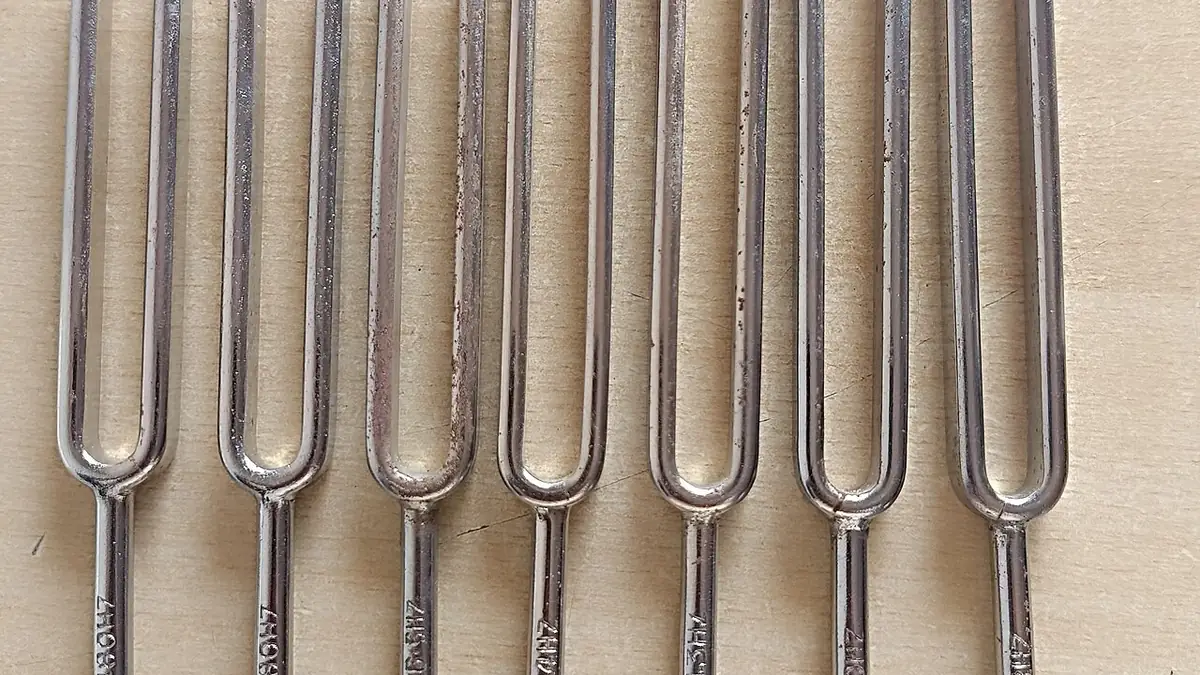
- A tuning fork to check vibration sense
- Checking temperature and pinprick sensation
- Checking ankle reflexes
Other tests, such as nerve conduction studies or tests of heart rate and blood pressure responses, may be used in some cases. Because other conditions, such as low vitamin B12 levels, thyroid problems, and heavy alcohol use, can also cause nerve damage, your provider may check for these. Long-term metformin use can lower vitamin B12 levels, so periodic B12 checks may be recommended. See metformin and common diabetes medications.
Treatment
There is no cure that reverses nerve damage, but treatment aims to slow progression, relieve symptoms, and prevent complications.
Manage blood glucose
Keeping glucose in your target range is the most important step to prevent or slow neuropathy. See A1C and blood sugar targets and how to lower A1C.
Manage blood pressure and cholesterol
Controlling these protects blood vessels that supply the nerves. See heart health.
Relieve nerve pain
Several types of prescription medicines can reduce painful neuropathy, including certain anticonvulsants and certain antidepressants. These work on how nerves send pain signals; they are not used because the pain is "in your head." Topical treatments may help some people. Your provider will weigh benefits and side effects. Opioids are generally not recommended for long-term treatment of neuropathy pain.
Treat specific problems
- Gastroparesis: Eating smaller, more frequent meals, choosing lower-fat and lower-fiber foods if advised, and medicines may help. Insulin timing may need to be adjusted.
- Blood pressure drops on standing: Rising slowly, staying hydrated, and adjusting medicines may help.
- Bladder problems: Scheduled urination and other treatments.
- Sexual problems: Medicines, devices, lubricants, and counseling.
Protecting your feet
Because neuropathy reduces feeling, foot care is essential:
- Check your feet every day for cuts, blisters, or redness.
- Wear well-fitting shoes and socks at all times.
- Test bath water with your elbow, not your feet.
- Have your feet checked at every visit.
MedlinePlus explains how to take care of your feet with diabetes.
Prevention
- Keep blood glucose, blood pressure, and cholesterol near target.
- Be physically active. If you have reduced feeling in your feet, ask about safe activities, such as swimming, cycling, or chair exercises. See exercise and diabetes.
- Don't smoke.
- Limit alcohol. See alcohol and diabetes.
- Get screened regularly so problems are found early.
When to call your provider
Tell your provider if you have new numbness, tingling, pain, or weakness; a foot wound that is not healing; dizziness when standing; ongoing nausea, vomiting, or bloating; bladder or sexual problems; or lows without warning symptoms. Seek urgent care for sudden weakness on one side of the body or face, which could be a stroke.
MedlinePlus also has a good overview of diabetic nerve problems, and the American Diabetes Association covers neuropathy as well.
Frequently asked questions
Can diabetic neuropathy be reversed?
Nerve damage that has already happened usually cannot be fully reversed, but keeping glucose in range can slow or stop progression, and some symptoms may improve. Treatment can relieve pain and other symptoms.
Why is my nerve pain worse at night?
Many people with painful neuropathy notice symptoms more at night, when there are fewer distractions. Treating the pain, keeping a regular sleep routine, and protecting feet from bedding pressure may help. See sleep and diabetes.
Are supplements helpful for neuropathy?
Some supplements are marketed for nerve pain, but evidence is limited for most of them. If you have low vitamin B12, treating it can help. Talk with your provider before taking any supplement.
Key takeaways
- Diabetic neuropathy is nerve damage caused by diabetes; peripheral neuropathy in the feet and legs is the most common type.
- Autonomic neuropathy can affect digestion, bladder, heart rate, blood pressure, sexual function, and awareness of lows.
- Yearly foot exams screen for neuropathy; report new symptoms promptly.
- Keeping glucose, blood pressure, and cholesterol in target ranges helps prevent or slow damage, and medicines can relieve pain.
Sources
Links to the sources cited above appear in the text. We rely on the Centers for Disease Control and Prevention (CDC), the National Institute of Diabetes and Digestive and Kidney Diseases (NIDDK), and the American Diabetes Association (ADA).