Best Snacks for Diabetes: Ideas and Tips
Snacks can be part of a healthy eating plan for people with diabetes. A well-chosen snack can curb hunger between meals, prevent overeating later, help prevent low blood glucose for people taking certain medicines, and provide nutrients like fiber and protein. But snacks can also add extra carbohydrates and calories without much nutrition. This guide explains when snacks make sense, what makes a snack diabetes-friendly, and offers many practical ideas. Your own snack needs depend on your medicines, activity, appetite, and goals, so check with your care team or dietitian.
Do you need snacks?
Not everyone with diabetes needs to snack. Consider:
- Your medicines: If you take insulin or medicines that can cause low blood glucose, such as sulfonylureas, your care team may recommend snacks at certain times, such as before bed or before exercise. See hypoglycemia.
- Your schedule: If meals are more than four or five hours apart, a snack can help you avoid getting overly hungry.
- Activity: Longer or more intense activity may call for a snack before or after. See exercise and diabetes.
- Hunger: Snacking when you are truly hungry is reasonable; snacking out of boredom or habit can add up.
- Weight goals: If you are trying to lose weight, plan snacks into your daily calorie and carbohydrate targets. See weight and diabetes.
What makes a good diabetes snack?
The CDC notes that eating carbs with foods that have protein, fat, or fiber slows how quickly blood sugar rises. A good snack often:
- Includes protein, healthy fat, or fiber
- Contains a moderate, planned amount of carbohydrate, often around 15 grams, or less if you are aiming for a low-carb snack, depending on your plan
- Is based on whole or minimally processed foods
- Is portioned out ahead of time rather than eaten from the package
- Is low in added sugars and sodium
Snack ideas with little or no carbohydrate
These options are helpful when you are hungry but do not need extra carbohydrate:
- Raw vegetables such as cucumber, celery, bell pepper strips, cherry tomatoes, or snap peas
- Vegetables with a small amount of guacamole or a yogurt-based dip
- A hard-boiled egg
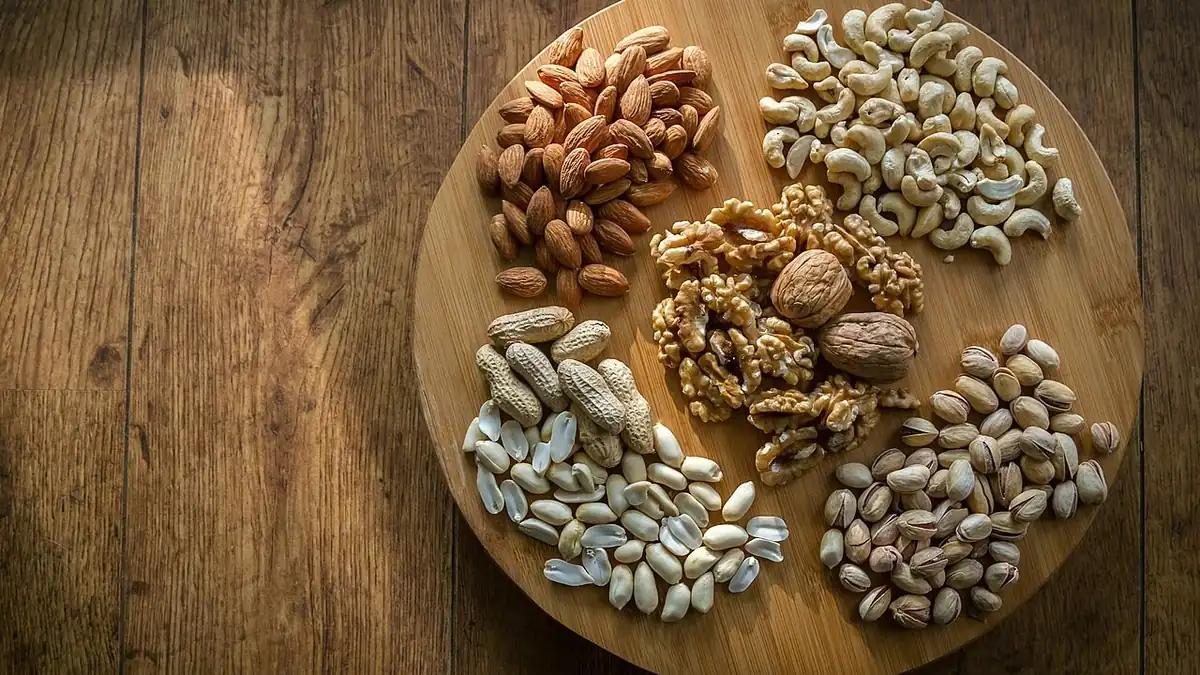
- A small handful of nuts or seeds, such as almonds, walnuts, pistachios, or pumpkin seeds (nuts contain small amounts of carbohydrate)
- String cheese or a small piece of cheese
- A small can or pouch of tuna or salmon
- A few slices of turkey or chicken rolled around cucumber or lettuce
- Olives
- Sugar-free gelatin
Snack ideas with about 15 grams of carbohydrate
These pair a carbohydrate with protein, fat, or fiber. Carbohydrate amounts are approximate; check labels for exact values.
- A small apple with a tablespoon of peanut or almond butter
- Plain Greek yogurt with a handful of berries
- A small orange and a few nuts
- Whole-grain crackers with cheese or hummus
- About 3 cups of air-popped popcorn
- Half a turkey or chicken sandwich on whole-grain bread
- A small pear and a piece of string cheese
- Cottage cheese with sliced peaches (fresh, or canned in juice and drained)
- Roasted chickpeas (check the portion size on the label)
- Half a cup of edamame in the pod is low in carbohydrate and high in protein
- A small whole-grain tortilla with a little hummus and vegetables
- Rolled oats made with milk, in a small portion
Portable and on-the-go snacks
- Pre-portioned bags of nuts
- Single-serve cheese
- Fresh fruit that travels well, such as apples and oranges
- Individual containers of plain yogurt (keep cold)
- Whole-grain crackers in a small container
- Roasted chickpeas or edamame
Keep a fast-acting carbohydrate, such as glucose tablets, with you at all times if you take insulin or medicines that can cause lows. A snack is not the same as a treatment for a low; lows need fast-acting carbohydrate first. See diabetes and travel for planning on the go.
Bedtime snacks
Some people who take insulin or certain medicines need a bedtime snack to prevent overnight lows. Others find that a bedtime snack raises their morning glucose. If you are unsure, check your glucose at bedtime and in the morning, or review CGM data, and talk with your care team. See the dawn phenomenon to learn about other causes of high morning readings.
Snacks to limit
- Sugary drinks, including regular soda, sweet tea, and fruit juice, which raise glucose quickly
- Candy, pastries, cookies, and other sweets high in added sugar
- Chips and other highly processed snacks high in refined starch, salt, and unhealthy fats
- Large portions of dried fruit, which is concentrated in sugar (small portions can fit)
- Snack bars and "diabetic" or "sugar-free" products that may still be high in carbohydrate, calories, or sugar alcohols, which can cause stomach upset
This does not mean these foods are forbidden. Occasional treats can fit into a meal plan when you account for the carbohydrate.
Reading labels for snacks
On the Nutrition Facts label, look at:
- Serving size: All numbers are for one serving, which may be smaller than you expect.
- Total carbohydrate: This includes starches, sugars, and fiber.
- Dietary fiber: Higher fiber is usually better.
- Added sugars: Aim to keep these low.
- Sodium: Important for blood pressure and heart health.
See carb counting for more on reading labels.
Tips for smart snacking
- Plan snacks as part of your daily meal plan, not as extras.
- Portion snacks into small containers when you get home from the store.
- Keep healthy options visible and convenient, such as washed fruit and cut vegetables in the refrigerator.
- Drink water first; thirst can feel like hunger.
- Eat mindfully, without screens, so you notice when you are satisfied.
- Check your glucose one to two hours after a new snack to see how it affects you. See checking blood sugar and CGMs.
- Choose whole, minimally processed foods. See the glycemic index explained.
Snacks for children with diabetes
Children with diabetes need snacks that support growth, energy, and activity. Snacks may be timed around school and sports. Work with your child's care team to fit snacks into the insulin plan. See diabetes in children and teens.
More resources
The American Diabetes Association's food and nutrition section offers recipes and tips, and NIDDK's guidance on diet, eating, and physical activity explains healthy eating with diabetes. A registered dietitian can help tailor snack choices to your needs.
Frequently asked questions
Are nuts a good snack for diabetes?
Nuts contain healthy fats, protein, and fiber, and relatively little carbohydrate, so they have little effect on blood glucose for most people. They are high in calories, though, so a small handful, about one ounce, is a sensible portion. Choose unsalted or lightly salted nuts.
Is it OK to snack on fruit?
Yes. Whole fruit provides fiber, vitamins, and minerals. Count it as a carbohydrate food, choose a small piece or a modest portion, and consider pairing it with protein such as cheese, yogurt, or nuts to slow the rise in glucose.
What about protein bars and shakes?
Some are reasonable choices in a pinch, but many contain significant added sugar, sugar alcohols, or a lot of calories. Read the label for total carbohydrate, added sugars, and serving size. Whole-food snacks are usually a better everyday option.
How many snacks should I eat each day?
There is no fixed number. Some people do well with no snacks, while others need one to three, depending on medicines, activity, and meal timing. A dietitian can help you fit snacks into your daily plan.
Are popcorn and crackers OK?
Air-popped popcorn is a whole grain and can be a filling snack in a measured portion. Whole-grain crackers with cheese or hummus can also work. Watch portion sizes, butter, and salt.
Key takeaways
- Not everyone with diabetes needs snacks; they depend on medicines, schedule, activity, and hunger.
- Good snacks combine a modest amount of carbohydrate with protein, healthy fat, or fiber.
- Portion snacks ahead of time and read labels for serving size, total carbohydrate, and added sugars.
- Keep fast-acting carbohydrate on hand for lows; a regular snack is not a treatment for a low.
Sources
Links to the sources cited above appear in the text. We rely on the Centers for Disease Control and Prevention (CDC), the National Institute of Diabetes and Digestive and Kidney Diseases (NIDDK), and the American Diabetes Association (ADA).
Related guides: Food, fitness, and weight
- Diabetes-Friendly Eating Basics
- Carb Counting for Diabetes: A Beginner's Guide
- Exercise and Diabetes: A Practical Guide
- Weight and Diabetes: Realistic Goals and Options
- The Glycemic Index Explained
- Alcohol and Diabetes: What You Need to Know
- Low-Carb Diets and Diabetes: What to Know
- Intermittent Fasting and Diabetes: Benefits and Risks
- Fiber and Diabetes: Why It Helps and How to Get More
- Fruit and Diabetes: Can You Eat Fruit?
- How to Read Food Labels with Diabetes